
On June 11, 2026, the Coalition of Cultural Actors and the Raphael Lemkin Society organized the panel discussion “Beyond Coincidence: Proving Patterns and Intent in the Destruction of Ukrainian Culture” in Kyiv as part of Rights Now!, the human rights program at the Docudays UA festival.
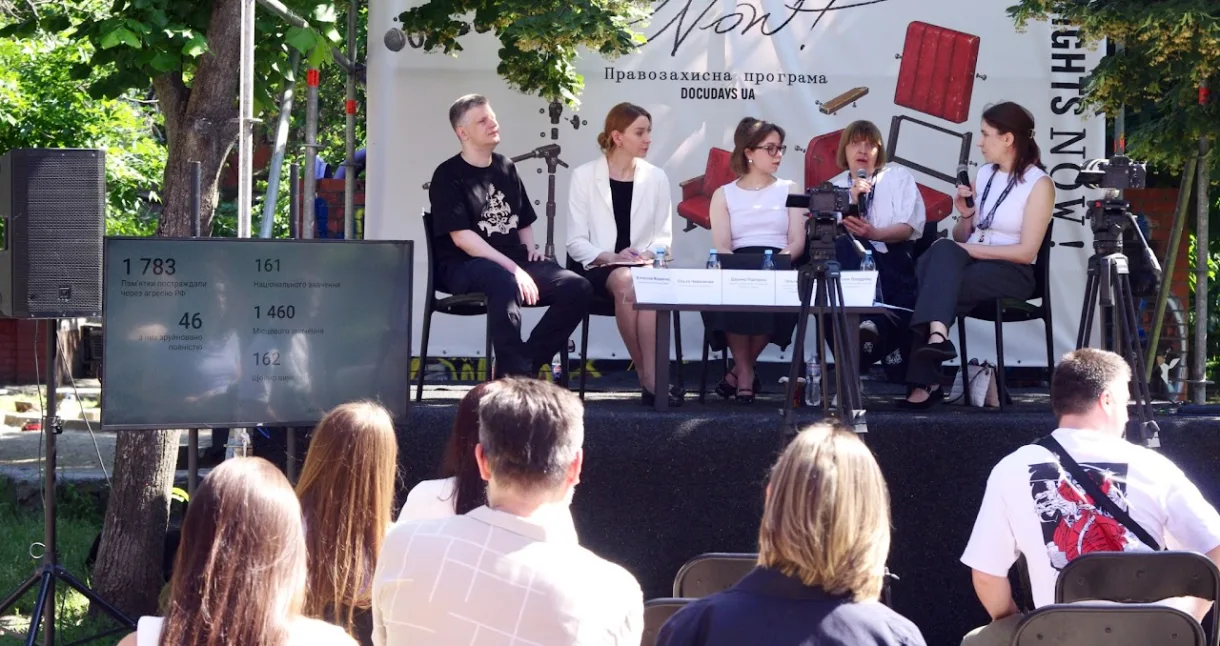
The discussion brought together:
- Olha Sahaidak — Chair of the Board of the Coalition of Cultural Actors, cultural manager, and co-founder of Dofa.fund
- Daryna Pidhorna — Legal expert and analyst at the Raphael Lemkin Society
- Olha Chervakova — GR Director at Suspilne
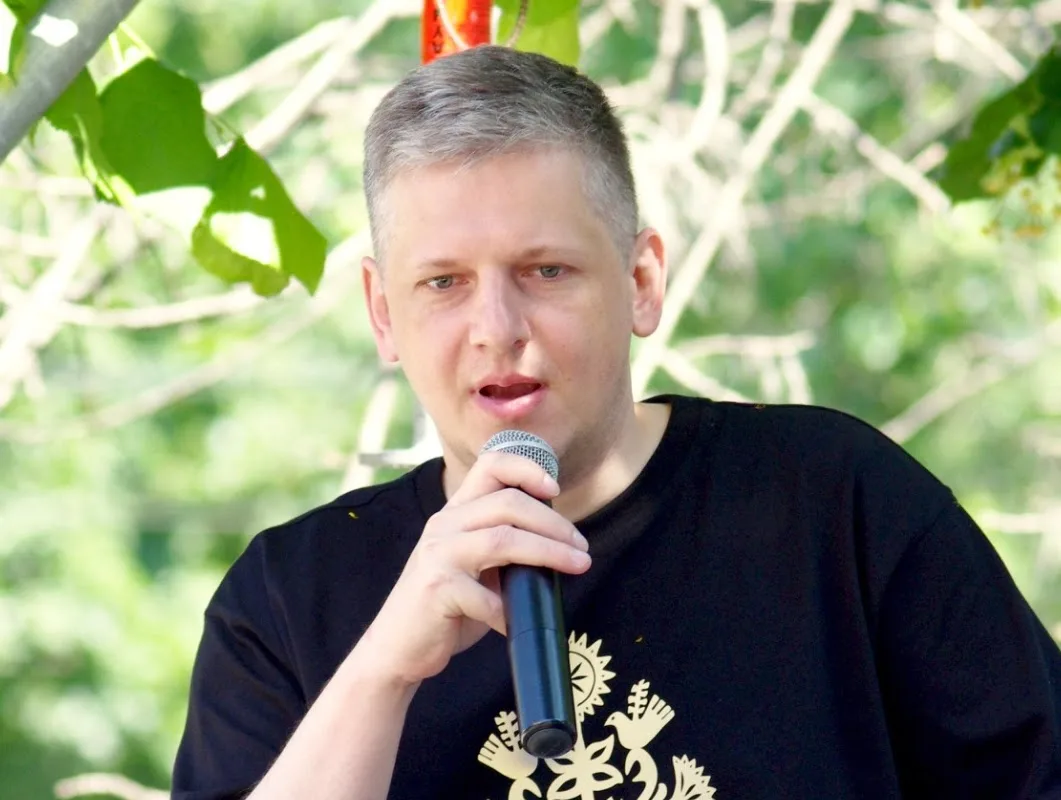
- Viacheslav Mavrychev — Head of Suspilne Kharkiv
Nataliia Popudribko, a journalist with Radio Culture and communications manager at the Coalition of Cultural Actors, moderated the discussion.
The panelists discussed how crimes against culture can contribute to the evidentiary record in cases involving war crimes, crimes against humanity, and genocide. They also emphasized that Russia’s destruction of Ukrainian culture forms part of a broader policy aimed at denying Ukrainians the right to exist as a distinct nation.
Key takeaways from the discussion:
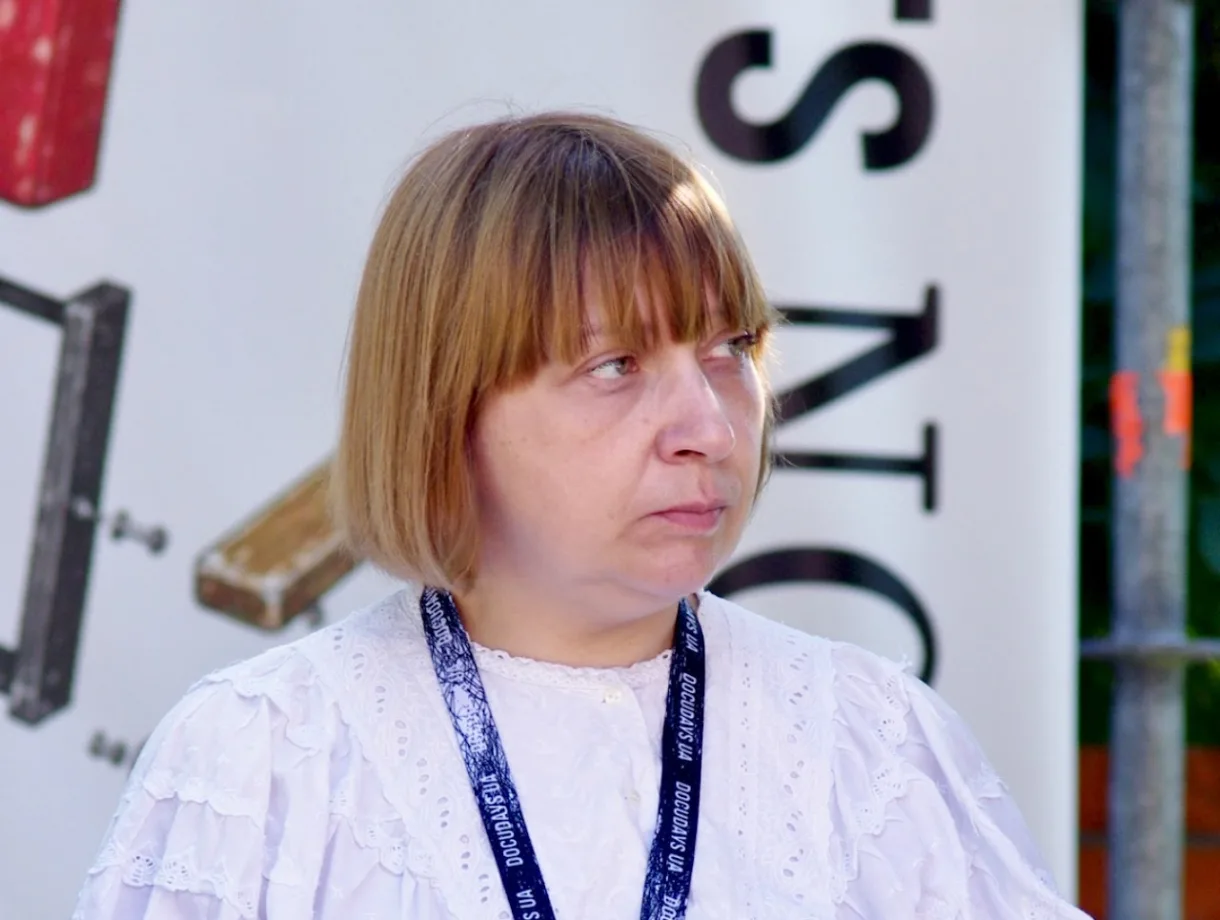
Olha Sahaidak
Chair of the Board of the Coalition of Cultural Actors, cultural manager, and co-founder of Dofa.fund
“The people who planned the missile launches, those who made the decision to target specific sites, and the Russian state itself, which has spent years claiming that Ukrainians are not a political nation and that Ukraine is not a state — all of this forms part of a genocidal crime. That is why we cannot treat the destruction of museums, archives, or monuments as accidental or as collateral damage of war.”
“When a museum, library, or archive is destroyed, it often generates less public outrage than the destruction of a road or a hospital. That is precisely why we must document crimes against cultural heritage professionally, approach them systematically, and show that they are not isolated incidents, but part of a deliberate policy.”
Olha also stressed the need to systematically document crimes against cultural heritage, noting that high-quality records of these losses will provide the foundation for future accountability.
“Some museums had digitized and documented their entire collections. As a result, we can track stolen objects and prove ownership. But in other cases, museums had not digitized their inventory books, putting artifacts at risk of being lost forever. Documentation today is not bureaucracy; it is a tool for saving cultural heritage.”
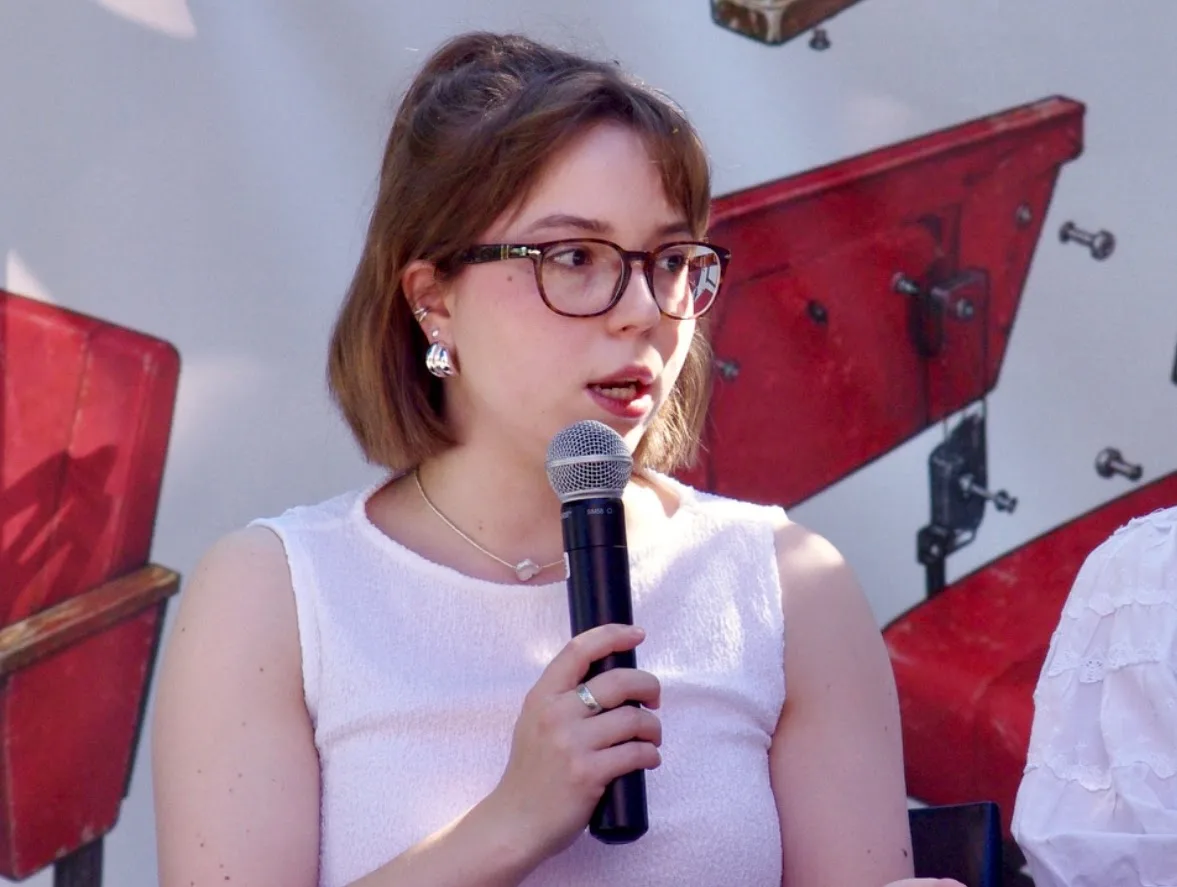
Daryna Pidhorna
Legal expert and analyst at the Raphael Lemkin Society
“What makes the crime of genocide unique is the presence of specific intent. That intent must be clearly visible in the actions, statements, decisions, and policies of those who commit the crime. In practice, it means an intent to destroy a particular group precisely because it exists as a distinct group.”
At the same time, Daryna cautioned against expecting quick decisions from international institutions.
“Genocide is not a one-time decision, and legal recognition does not come quickly. The experience of other countries shows that the path to such recognition can take decades. We must be prepared for long-term work, sustained effort, and the need to keep proving what should already be obvious.”
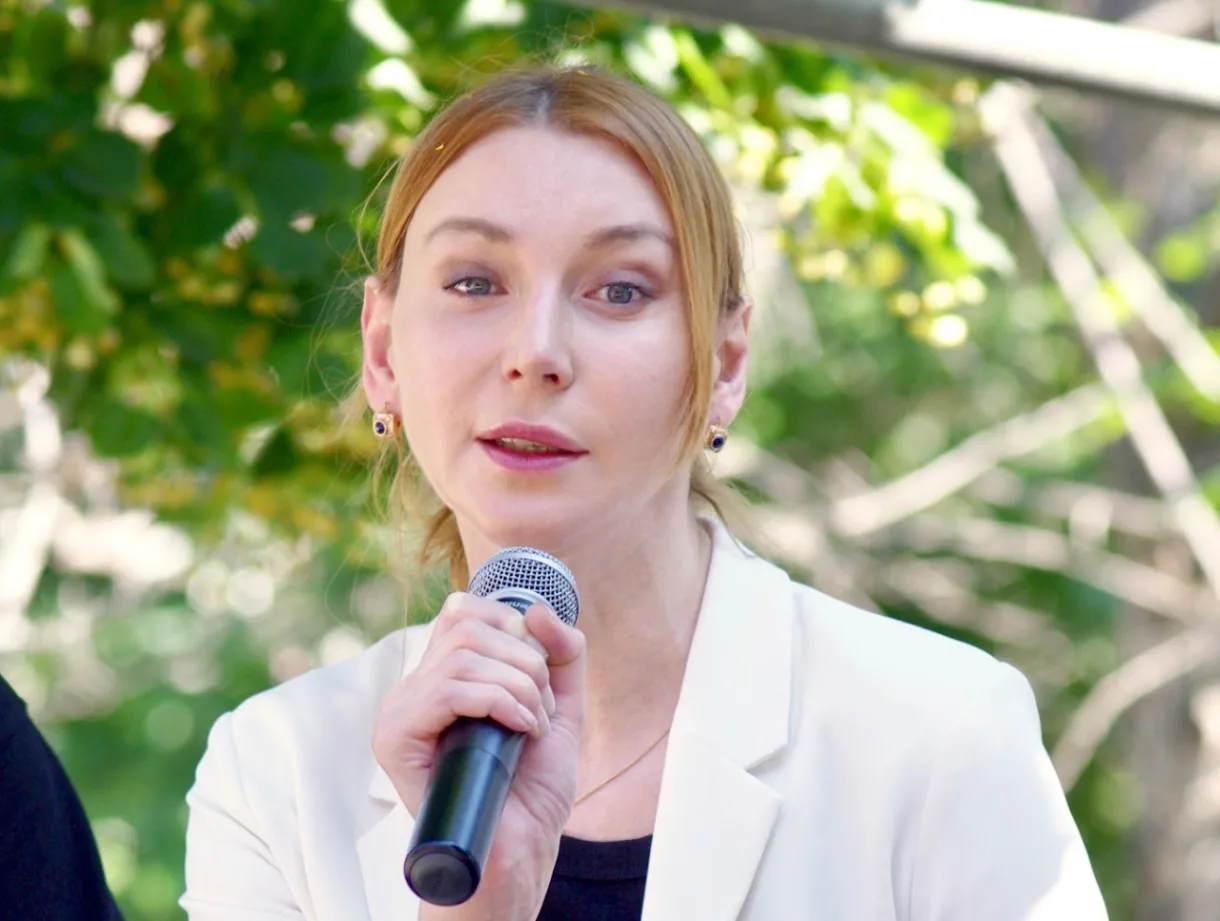
Olha Chervakova
GR Director at Suspilne
“This year, Russia allocated nearly $2 billion for propaganda abroad — one and a half times more than last year. That is why the social mission of Ukrainian journalism is not only to inform, but also to counter propaganda: to explain to the world the nature of this war and Russia’s responsibility for the crimes it commits.”
In this context, Olha described how Suspilne shares its photo and video materials about the war with foreign broadcasters, including through its cooperation with the European Broadcasting Union. In 2025, Suspilne became the leading contributor of shared content within the EBU, with its materials broadcast abroad nearly 18,000 times. Foreign broadcasters, including those that cannot maintain correspondents in Ukraine and therefore cannot report quickly on events on the ground, used these materials extensively.
She also emphasized the importance of archiving and preserving testimonies that may later serve as evidence in criminal proceedings.
“We have a project called Suspilne Mediateka, which preserves testimonies about the theft of cultural property, the looting of museums, and crimes against humanity. We are doing everything we can to make this information available to international partners, law enforcement agencies, and the public, because without memory and documentation, accountability is impossible.”
Viacheslav Mavrychev
Head of Suspilne Kharkiv
“For us, it is essential not only to show the destruction after an attack. We always tell the story of the site and explain its significance for the city and the country. This is how the world comes to understand that Russia is not merely destroying buildings, but attacking cultural memory and heritage.”
According to Viacheslav, journalists and documentarians have increasingly become distinct targets of the Russian system.
“Russia understands very well the role journalists play. People who document events, collect testimonies, and report on reality honestly and impartially become priority targets. The persecution of journalists and documentarians is just as systematic as Russia’s efforts to conceal the crimes themselves.”
Practical recommendations raised during the discussion included conducting an audit of cultural workers currently serving in the military, creating support mechanisms for them during their service — not only after demobilization — and introducing programs to help them transition back into professional life.
Text and photos: Coalition of Cultural Actors
Translation: Raphael Lemkin Society